
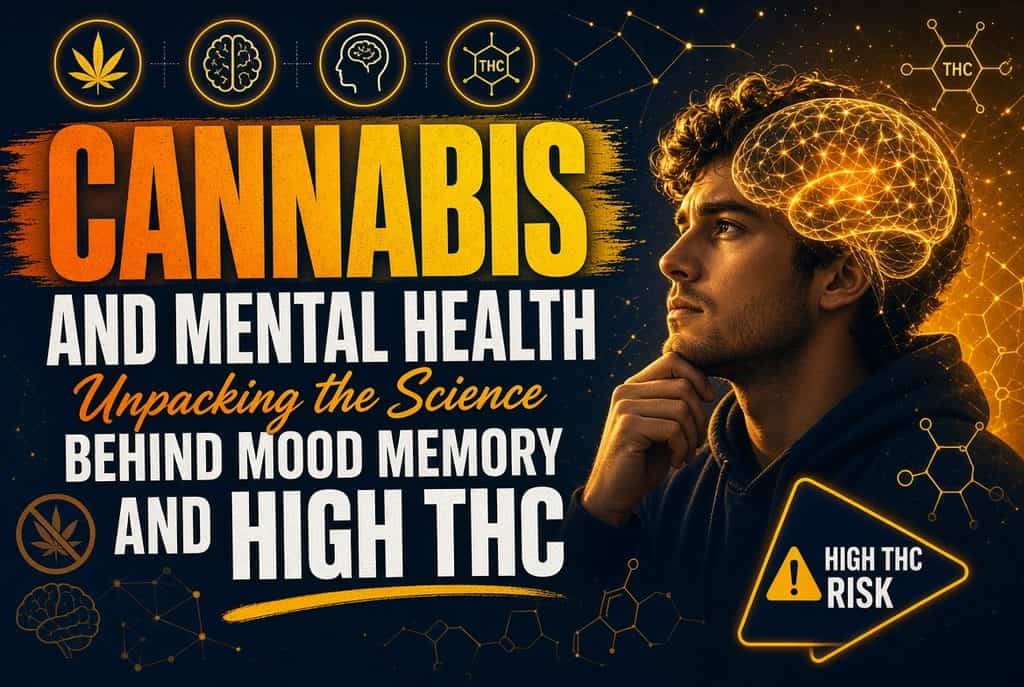
In conversations about wellness and stress relief, cannabis often tops the list. With widespread legalization and high potency products readily available, many adults view marijuana as a natural remedy for anxiety, poor sleep, or chronic stress.
However, clinical research reveals a more complex dynamic. While low doses or isolated non psychoactive compounds like cannabidiol (CBD) show potential in specific therapeutic settings, regular use of high potency tetrahydrocannabinol (THC) products can pose real risks to long term cognitive health and emotional balance.
How THC and CBD Interact with the Brain
To understand how cannabis affects mental well being, it helps to examine its two primary active compounds and how they interact with the body endocannabinoid system:
- Tetrahydrocannabinol (THC): The main psychoactive constituent. THC binds directly to CB1 receptors concentrated in brain regions responsible for memory, emotion, and reward. In low doses, it may induce relaxation. In higher doses or with regular use, it can dysregulate dopamine signaling, impair short term memory, and trigger panic or paranoia.
- Cannabidiol (CBD): A non intoxicating compound that modulates receptor activity rather than overstimulating it. According to clinical trial data compiled by the National Institutes of Health, pure CBD may help soften anxiety without triggering cognitive impairment or dependency.
The Mental Health Impacts: What Research Shows
While many people report immediate temporary relief when using marijuana, long term clinical findings published by the National Institute on Drug Abuse highlight several critical considerations:
1. Anxiety and Mood Regulation
Using high THC cannabis regularly can create a rebound effect. As the immediate calming sensation wears off, baseline anxiety and irritability often increase. Over time, heavy consumption disrupts natural emotional regulation, making stress harder to manage without the substance.
2. Cognitive Performance and Brain Structure
Frequent, daily use alters short term memory, executive functioning, and attention span. Because the brain continues to develop until roughly age 25, adolescents and young adults who use high potency cannabis face an elevated risk of lasting cognitive changes and persistent attention issues, as noted in studies from the American Psychiatric Association.
3. Psychosis and Vulnerability
For individuals with a personal or family history of mood disorders or psychotic illness, high THC cannabis acts as a major risk factor. High doses can trigger acute psychotic episodes or accelerate the onset of conditions like schizophrenia in vulnerable populations.
Frequently Asked Questions
Can cannabis be used safely alongside prescription psychiatric medications?
Cannabis can interact with various psychiatric medications by altering how the liver metabolizes them or exacerbating side effects such as sedation, dizziness, and cognitive slowing. It is crucial to discuss any cannabis use openly during a professional evaluation.
Is CBD effective for sleep and anxiety without the risks of THC?
Pure CBD does not produce intoxication or the same degree of cognitive disruption associated with high THC products. While early research indicates CBD may support stress reduction and sleep, individual responses vary widely. A comprehensive evaluation yields more sustainable, targeted outcomes than relying on unstandardized supplements.
How does Future Psychiatry address cannabis use in treatment plans?
At Future Psychiatry, we approach cannabis use through a non judgmental, clinical, and integrative lens. Rather than simply advising clients to stop, we work to identify the underlying symptoms you may be self medicating, such as chronic insomnia, executive dysfunction, or burnout. We then design a precision, evidence based roadmap that addresses these root causes safely.
Finding a Balanced Approach to Cognitive Health
If you rely on cannabis to handle insomnia, racing thoughts, or executive dysfunction, it is worth looking deeper at the root causes. True mental wellness relies on sustainable strategies, such as optimizing sleep biology, balancing metabolic factors, and regulating nervous system response, rather than masking symptoms temporarily.
At Future Psychiatry, we provide concierge integrative psychiatric evaluations to identify the underlying drivers of burnout, insomnia, and mood fluctuations.
If you are ready to evaluate your mental health roadmap with an evidence based, holistic approach, reach out to Future Psychiatry today to request your private consultation.

Future Psychiatry is a concierge practice in New York City specializing in integrative psychiatry, anxiety treatment, and holistic mental health. Founded by Jafar Novruzov, PMHNP-BC, the clinic provides luxury, evidence-based psychiatric care designed for long-term wellness.