
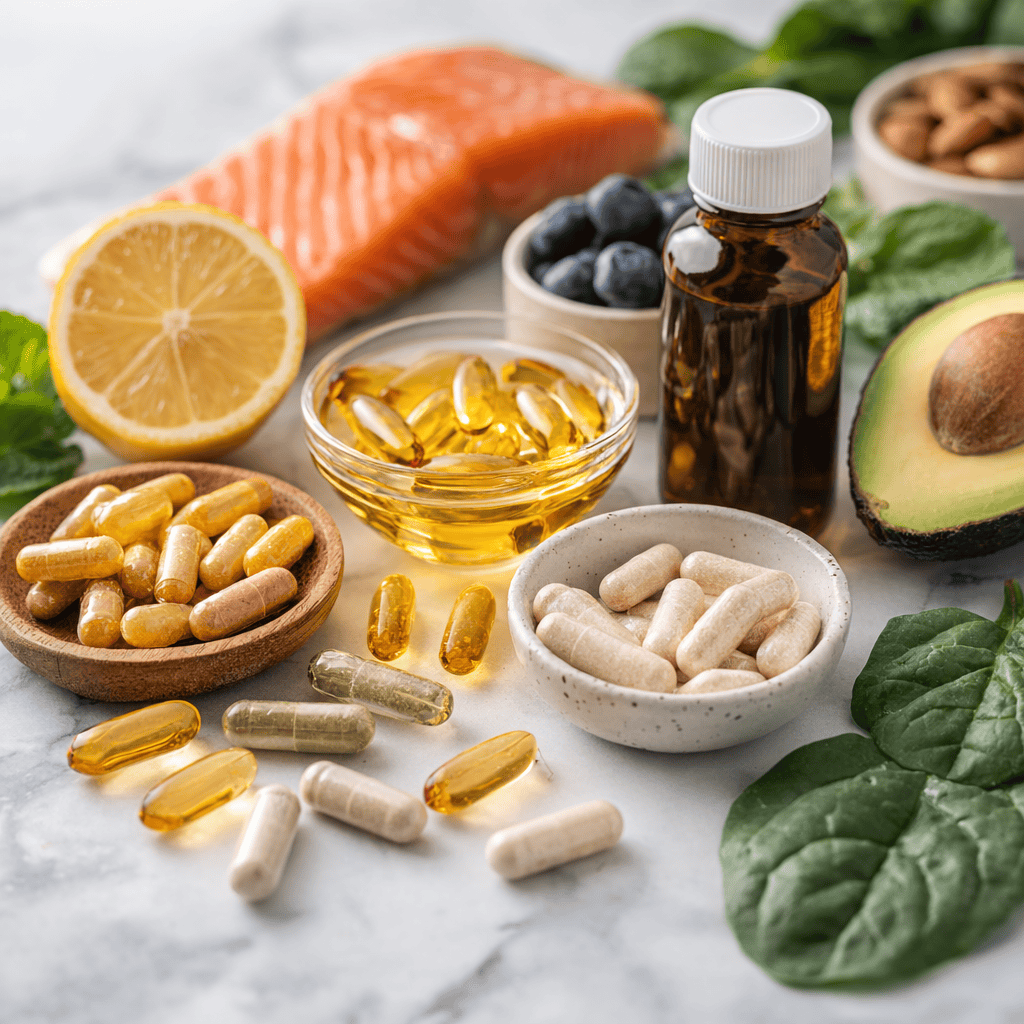
Navigating the crowded wellness industry can be overwhelming, but learning how to choose high-quality supplements for mental health is essential for both safety and effectiveness. Because the FDA does not regulate supplements the same way as prescription medications, consumers must look for specific markers of purity—such as third-party testing and bioavailable nutrient forms—to ensure their regimen truly supports brain health and emotional resilience.
How to Choose High-Quality Supplements for Mental Health
Evidence-based guide to supplement brands, safety, and effectiveness
The supplement industry is enormous. Walk into any pharmacy or browse online and you will see hundreds of products claiming to improve mood, focus, sleep, or brain health. The challenge is that supplements are not regulated the same way as prescription medications. Quality, purity, and ingredient accuracy can vary significantly between brands.
For individuals using supplements to support mental health, cognitive performance, or sleep, choosing a reliable supplement brand is essential. Poor-quality supplements may contain incorrect doses, contaminants, or ingredients that do not match the label.
This guide explains how to identify high-quality supplement brands using criteria commonly used in integrative and functional psychiatry.
Why Supplement Quality Matters for Mental Health
Supplements are often used to support brain health, including mood regulation, stress resilience, sleep quality, and cognitive performance. Research suggests that nutrients such as omega-3 fatty acids, magnesium, vitamin D, and B-vitamins can play a role in supporting mental health.
However, the effectiveness of these nutrients depends on product quality. Low-quality supplements may contain impurities, inaccurate doses, or poorly absorbed forms of nutrients.
Choosing a reputable brand helps ensure safety, effectiveness, and consistency.
Look for Third-Party Testing
One of the most important indicators of supplement quality is independent laboratory testing.
Third-party organizations verify that a supplement contains the ingredients listed on the label and that it is free of contaminants such as heavy metals, pesticides, and microbial impurities.
Common third-party certifications include:
USP Verified
NSF Certified
ConsumerLab Tested
Informed Choice or Informed Sport
These certifications provide reassurance that the supplement has been tested for purity and accuracy.
Avoid Proprietary Blends
Many supplements list ingredients inside something called a proprietary blend. This allows companies to hide the exact dose of each ingredient.
From a clinical perspective, proprietary blends make it impossible to know whether a supplement contains an effective or safe dose.
High-quality supplements clearly display:
exact ingredient amounts
specific nutrient forms
inactive ingredients or fillers
Transparency is a key sign of a reputable supplement company.
Choose Bioavailable Forms of Nutrients
The form of a nutrient significantly affects how well it is absorbed and utilized by the body.
Evidence-supported forms commonly used in mental health research include:
Magnesium glycinate or magnesium threonate for nervous system support
L-methylfolate for individuals with folate metabolism issues
Methylcobalamin as an active form of vitamin B12
High-EPA omega-3 fish oil for mood regulation
Lower-quality supplements often use cheaper forms that have poorer absorption.
Check Manufacturing Standards
Reliable supplement brands manufacture products in facilities that follow current Good Manufacturing Practices, commonly abbreviated as cGMP.
These standards ensure:
consistent dosing
quality ingredient sourcing
controlled manufacturing processes
contaminant screening
Brands that openly disclose their manufacturing standards typically demonstrate higher levels of quality control.
Look for Transparency and Ingredient Sourcing
Reputable supplement companies are transparent about their products. They often provide detailed information about ingredient sourcing, testing procedures, and manufacturing practices.
Some companies publish certificates of analysis showing laboratory testing results for specific batches.
Transparency is a strong indicator of a company’s commitment to quality and consumer safety.
Supplement Brands Often Recommended by Clinicians
While product quality can change over time, several supplement brands are frequently recommended by clinicians because of their manufacturing standards and testing practices.
Examples include:
Thorne
Pure Encapsulations
Nordic Naturals
Metagenics
Life Extension
Nature Made (USP verified products)
These brands are commonly used in clinical settings because they prioritize ingredient transparency and independent testing.
Red Flags When Choosing Supplements
Certain warning signs may indicate lower-quality supplements.
Labels that hide ingredient doses using proprietary blends
Exaggerated marketing claims promising instant results
Lack of third-party testing or certification
Unclear ingredient sourcing or manufacturing information
When evaluating supplements, transparency and scientific support should always take priority over marketing claims.
The Bottom Line
Choosing high-quality supplements is essential for safety and effectiveness. When evaluating supplement brands, focus on three key principles:
Look for independent third-party testing
Avoid proprietary blends that hide ingredient amounts
Choose bioavailable forms of nutrients supported by research
These simple steps can help ensure that supplements support mental health rather than introduce unnecessary risks.
Future Psychiatry Approach
At Future Psychiatry, we combine evidence-based psychiatric care with carefully selected integrative strategies, including nutritional and metabolic support.
Our goal is to support brain function, sleep, emotional regulation, and cognitive performance using safe, research-informed approaches that work alongside standard psychiatric treatment.
FAQ: Evidence-Based Answers About Supplement Quality and Safety
Are supplements regulated by the FDA?
Dietary supplements in the United States are regulated differently from prescription medications. Under the Dietary Supplement Health and Education Act (DSHEA) of 1994, manufacturers are responsible for ensuring the safety and labeling accuracy of their products before they reach the market.
The U.S. Food and Drug Administration (FDA) does not approve supplements for safety or effectiveness prior to sale. Instead, the FDA monitors supplements after they enter the market and can take action if products are found to be unsafe, contaminated, or misleadingly labeled.
Because of this regulatory structure, supplement quality can vary between manufacturers. This is why clinicians often recommend choosing products that undergo independent third-party testing and are manufactured under current Good Manufacturing Practices (cGMP).
What does third-party tested mean for supplements?
Third-party testing means that an independent laboratory evaluates a supplement to confirm that it contains the ingredients and dosage listed on the label. These laboratories also test for contaminants such as heavy metals, pesticides, and microbial impurities.
Independent certification programs include organizations such as United States Pharmacopeia (USP), NSF International, and ConsumerLab. Products that carry these certifications have been tested for ingredient accuracy and purity.
Research and regulatory reviews have shown that supplements without independent testing may contain inaccurate ingredient amounts or undeclared substances. For this reason, clinicians and researchers frequently recommend selecting supplements that undergo third-party verification.
How can you tell if a supplement brand is high quality?
Evidence-based indicators of a high-quality supplement brand include third-party testing, transparent labeling, and manufacturing under current Good Manufacturing Practices.
High-quality supplement companies typically provide detailed ingredient lists, disclose exact nutrient doses, and avoid proprietary blends that hide ingredient quantities. Many also provide certificates of analysis or batch testing information.
Studies evaluating supplement quality have found that products with independent certification and GMP manufacturing standards are more likely to contain accurate ingredient amounts and fewer contaminants.
Do supplements for mental health actually work?
Certain supplements have research supporting their role in mental health when used appropriately. Nutrients such as omega-3 fatty acids, magnesium, vitamin D, and specific B-vitamins have been studied for their potential effects on mood regulation, stress response, and cognitive function.
For example, omega-3 fatty acids with higher EPA content have shown benefits in some studies for depressive symptoms. Magnesium has been associated with improved stress resilience and sleep quality in certain populations. L-methylfolate may be helpful for individuals with impaired folate metabolism.
However, supplements should not replace standard psychiatric treatment when it is indicated. They are most effective when used as part of a comprehensive approach that includes medical evaluation, lifestyle factors, and evidence-based therapies.
What are the biggest red flags when choosing supplements?
Several warning signs may indicate lower-quality supplements. These include products that use proprietary blends without disclosing ingredient doses, exaggerated marketing claims promising rapid results, or a lack of information about manufacturing standards.
Another concern is the absence of third-party testing or certification. Research evaluating supplement quality has found that some products may contain incorrect ingredient amounts or undeclared substances when quality control standards are weak.
Choosing supplements from companies that emphasize transparency, independent testing, and scientific formulation helps reduce these risks.
Can supplements interact with psychiatric medications?
Yes. Certain supplements can interact with prescription medications, including psychiatric medications. For example, supplements that influence serotonin pathways may interact with antidepressants, and some herbal products can affect liver enzymes that metabolize medications.
Because of these potential interactions, individuals taking psychiatric medications should discuss supplement use with a qualified healthcare professional before starting new products.
Integrative psychiatry approaches often evaluate supplement safety, dosing, and potential interactions alongside conventional treatment plans.
Sources:
National Institutes of Health Office of Dietary Supplements
U.S. National Library of Medicine Drug Interaction resources

Future Psychiatry is a concierge practice in New York City specializing in integrative psychiatry, anxiety treatment, and holistic mental health. Founded by Jafar Novruzov, PMHNP-BC, the clinic provides luxury, evidence-based psychiatric care designed for long-term wellness.